
Insights / Ideas & inspiration
Better briefs.
Better videos.
Practical guidance, creative ideas and stories from the Rabbit And Carrot archive.
Insights & articles
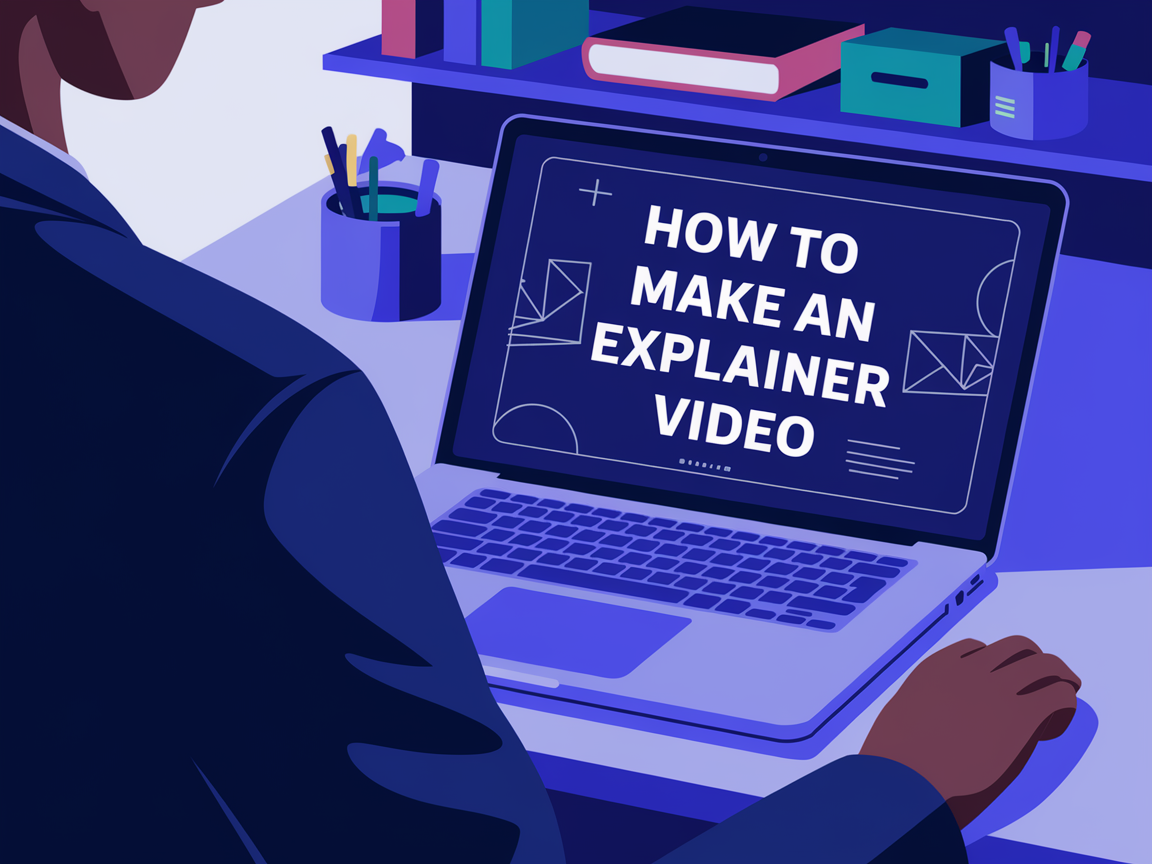
Step-by-Step Guide to Creating a Powerful Explainer Video
An explainer video is a short, catchy video that demonstrates your product or service in its simplest form and answers the customer’s pain point. It’s been…
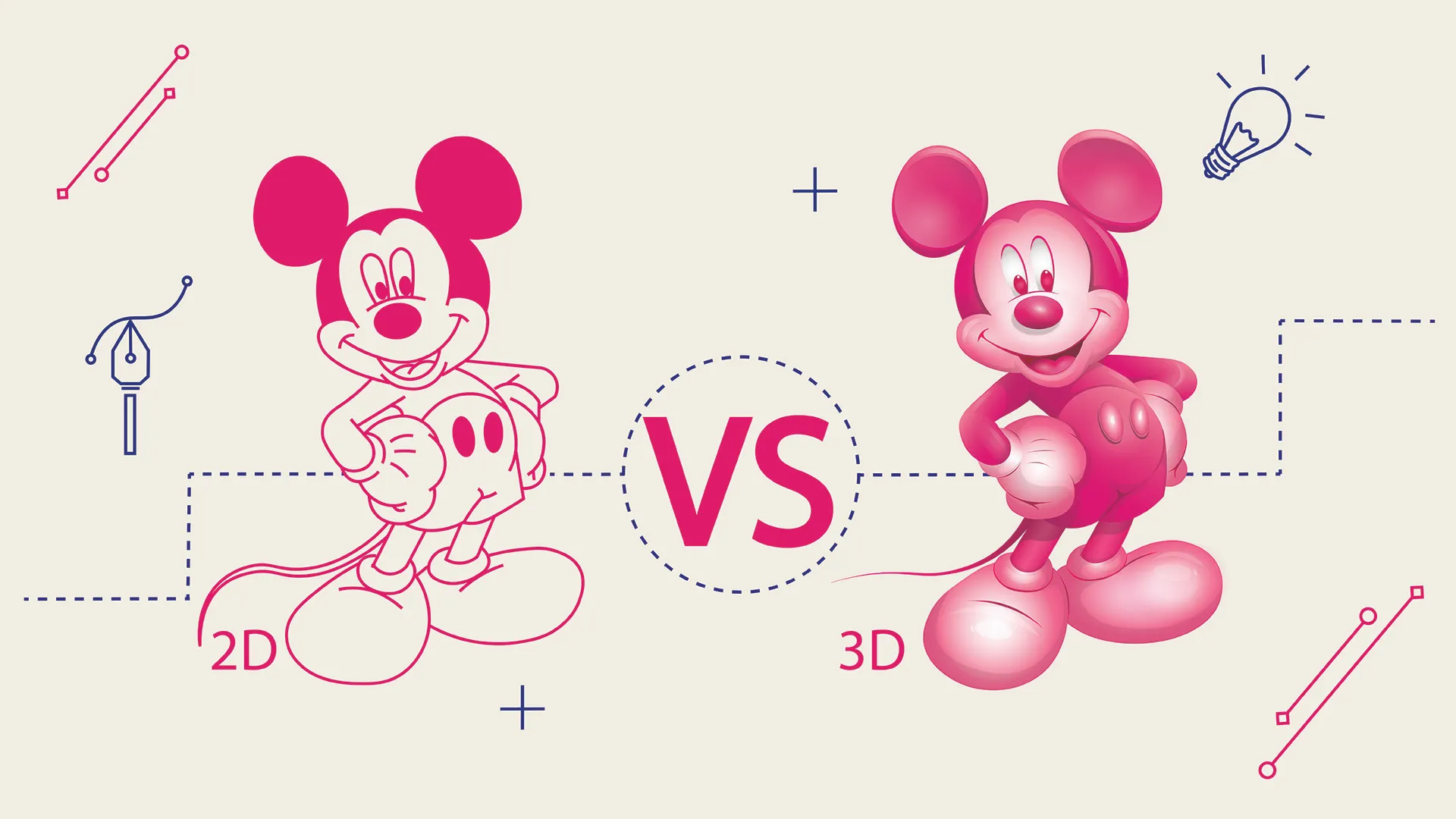
2D vs 3D Animation: Which Works Better for Your Business?
Long gone are the days when businesses focused only on animations and video production. Now, 2D and 3D animations are commonly found in product advertisements, social…
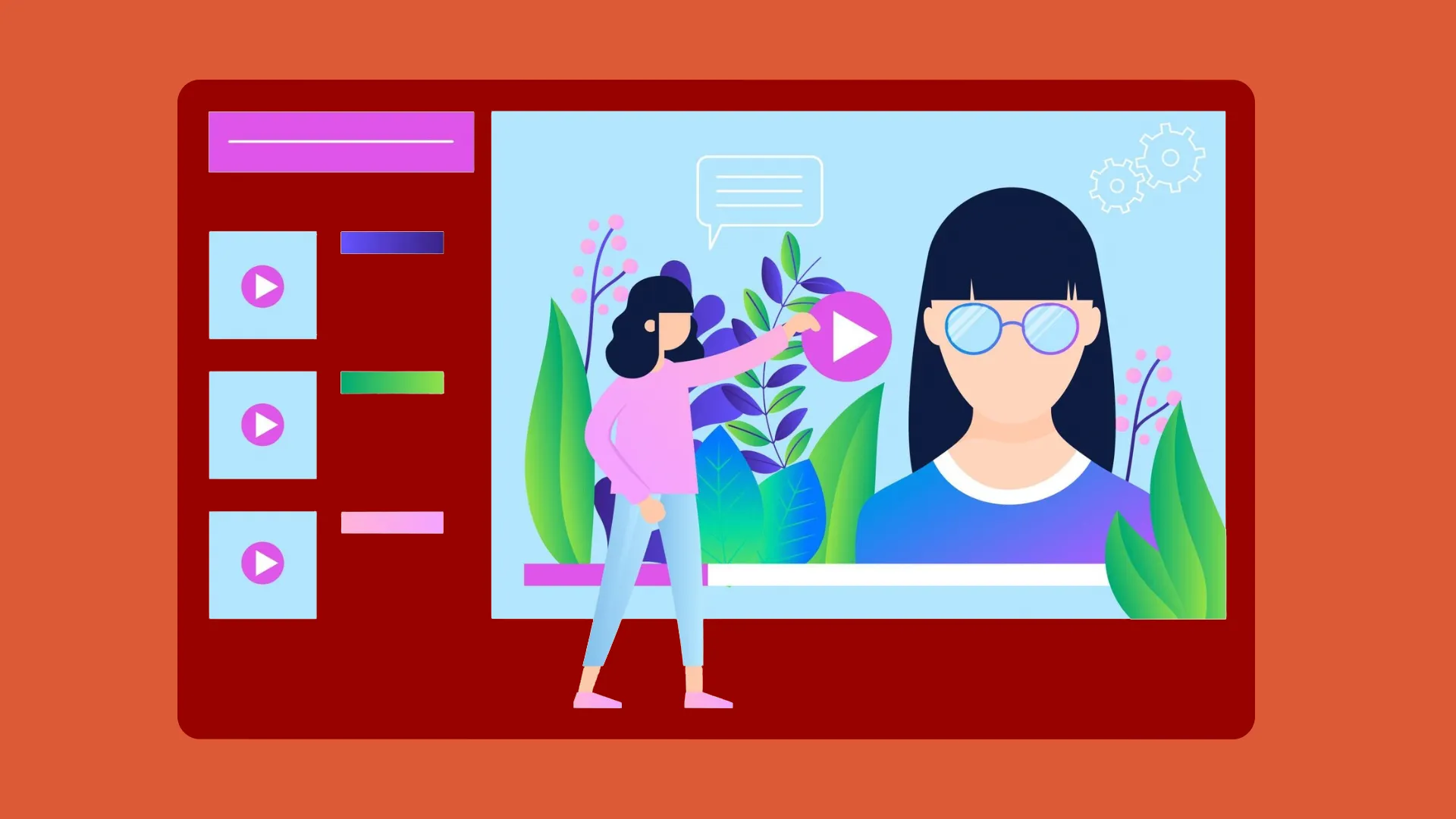
Maximize Your Reach with Expert Marketing Video Production in Dubai
In a digital setting, brands are constantly vying for attention. Whether it is Facebook, a website, or an online advertisement, the opportunity to capture that moment…

Top Benefits of Hiring an Explainer Video Company in Dubai
Businesses are always looking for new and creative methods to engage their audience in the digital era when visual content is king and attention spans are…
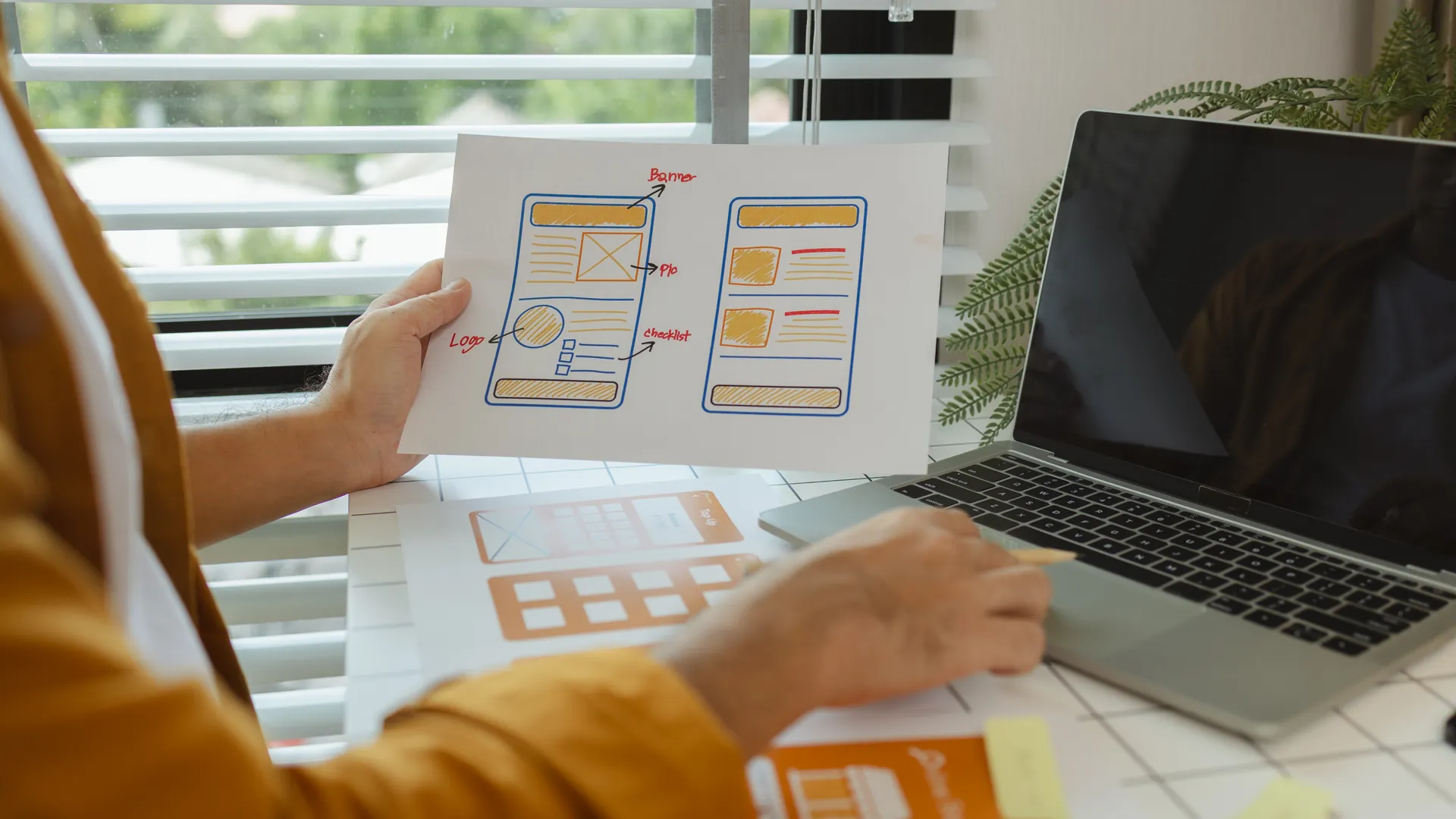
Why is Custom Website Development Essential for Modern Businesses?
It is astounding that any corporation may function without an internet presence in the most recent benefits of custom website development of current technology. Any company…
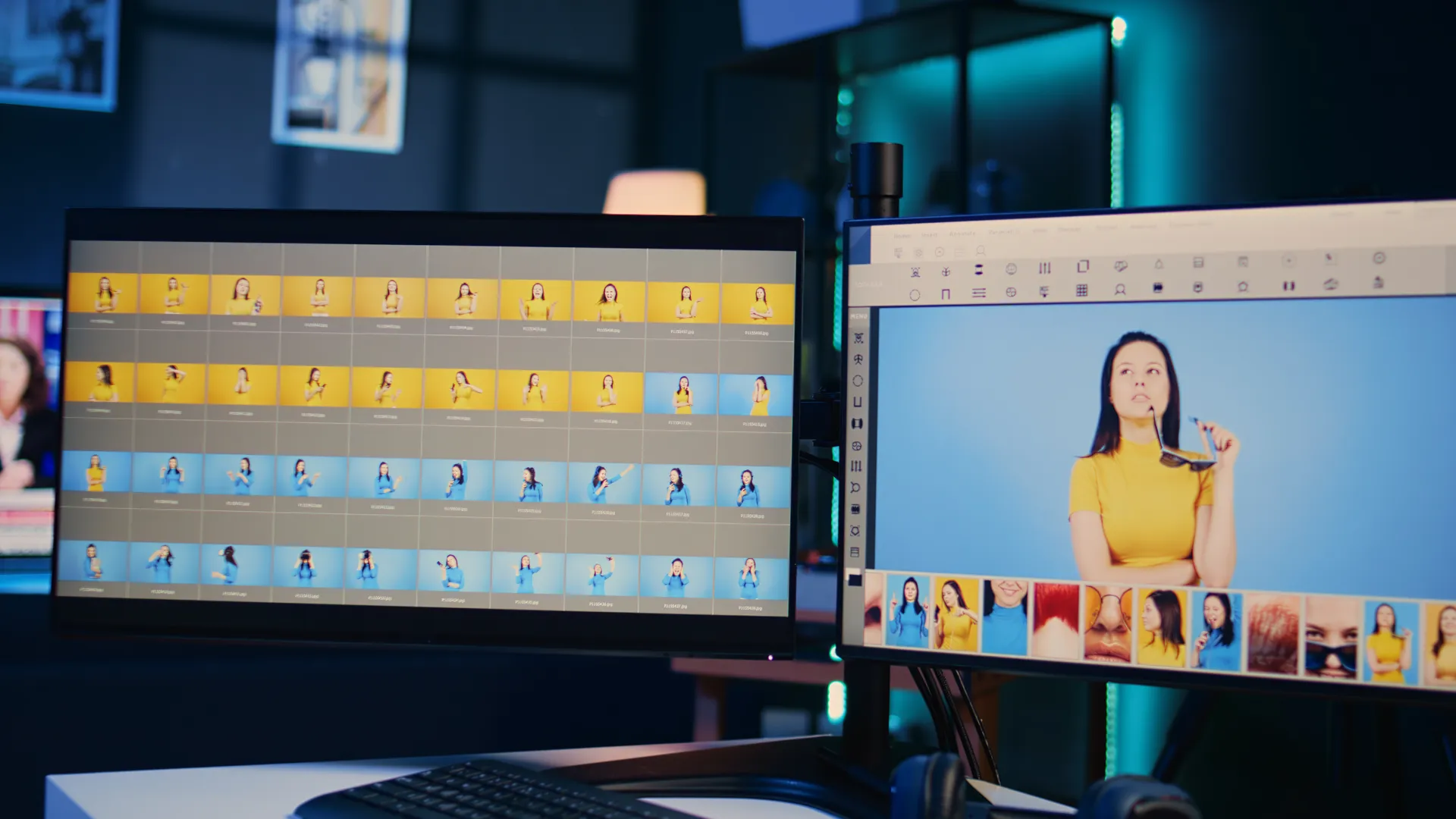
Boost Your Brand with Expert Explainer Video Production in Dubai
Learn how a clear script, purposeful visuals and professional explainer video production can help your audience understand your business and its services.

Why is Whiteboard Animation in Dubai a Game-Changer for Businesses?
The whiteboard animation Dubai services orchestrate content that keeps your audience focused. With half of all consumers using video to aid shopping decisions, now is the…

Significance Of Video in Social Media Marketing Services Dubai
Video content has completely transformed the global social media advertising scene, becoming a vital tool for companies trying to build an effective online presence. As the…

How a 2D Animation Studio Can Elevate Your Brand with Engaging Content
Discover how 2D animation can explain complex ideas, communicate your brand’s message and help audiences understand your products and services.

The Power of 2D Animation Agency in Digital Marketing
Animated explainer videos make complex ideas simpler by making them accessible and interesting. If you are looking into 3D animation for beginners, it’s critical to understand…
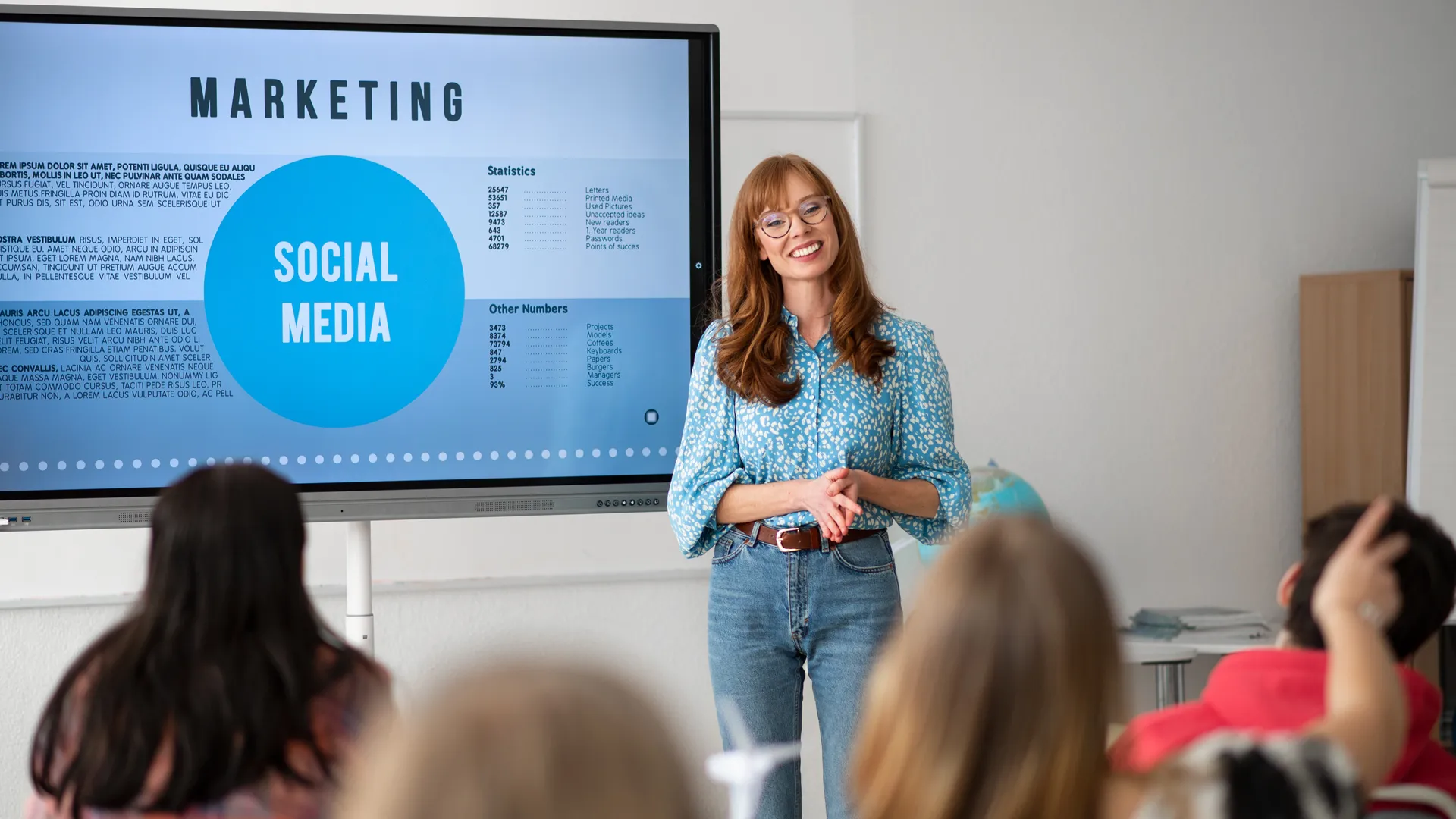
Trends Need to Be Followed for Social Media Marketing Services in Dubai
Social media video creation has become an essential tool for companies and content producers trying to interact and establish a connection with their viewers in today’s…
How to Choose the Best Web Development Company in Dubai?
In light of the current digital world, possessing an online identity is crucial. Unique brand identity, engaging animations, and well-designed websites build a successful business model.…
Start with a clear purpose
Plan your next video.
2D animation or a filmed video?
Choose 2D animation when you need to explain an idea, visualize a process or show something a camera cannot easily capture. It is useful for product explainers, employee training and educational content.
Choose video production when real people, products, places or events are central to the message. Executive interviews, corporate films and exhibition coverage can build a story around what is happening on location.
Some briefs need both: a filmed interview for the human story and animation to explain the process. Define the purpose of each before deciding the scope.
What to include in your video brief
Audience: Who will watch, and what do they already know?
Outcome: What should someone understand or do after watching?
Message: Choose one central idea and the supporting facts.
Source material: Share approved policies, product information, brand guidelines and relevant references.
Delivery: Tell us the intended channels, languages, aspect ratios, target duration and deadline.
Approval: Nominate one contact to consolidate feedback and confirm decisions.
Planning internal training videos
A topic is a useful starting point. For company-specific training, also provide approved procedures and access to someone who can confirm factual accuracy. We can then develop a script, visual approach and narration around the learning objective.
For a series, group related topics into batches. Agree a consistent design style and review schedule so feedback on one video helps the next. Approve each production milestone before moving forward.
Planning event coverage in the UAE
Share the event date, venue, stand location, attendance hours and key moments. Identify priority speakers, interviews, products and people before filming starts.
Same-day content needs a defined editing plan. Agree the number and length of reels, highlights and interviews, plus a practical review process and delivery schedule. An onsite editor needs a suitable work area and access to footage throughout the day.
Confirm location access, filming permissions and any venue requirements before the shoot. If several areas must be covered simultaneously, plan camera positions and crew roles around the schedule.
Why aspect ratios belong in the brief
A landscape interview and a portrait reel may use the same footage but need different framing, pacing, captions and edits. Agree each required version upfront so the quotation reflects the actual work.